YUKONERS NEED TO KNOW WHAT KIND OF DEAL WAS MADE IN THE REACTOR AGREEMENT. WE HOPE THAT BURIED NUCLEAR WASTE WAS NOT ON THE TABLE FOR YUKON
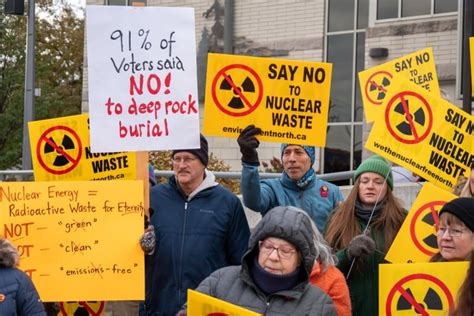
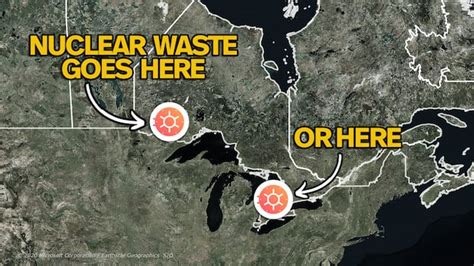
ONTARIO LOOKING FOR AREA TO DISPOSE IT'S NUCLEAR WASTE AND NORTHERN ONTARIO IS PROTESTING THE OPTIONS
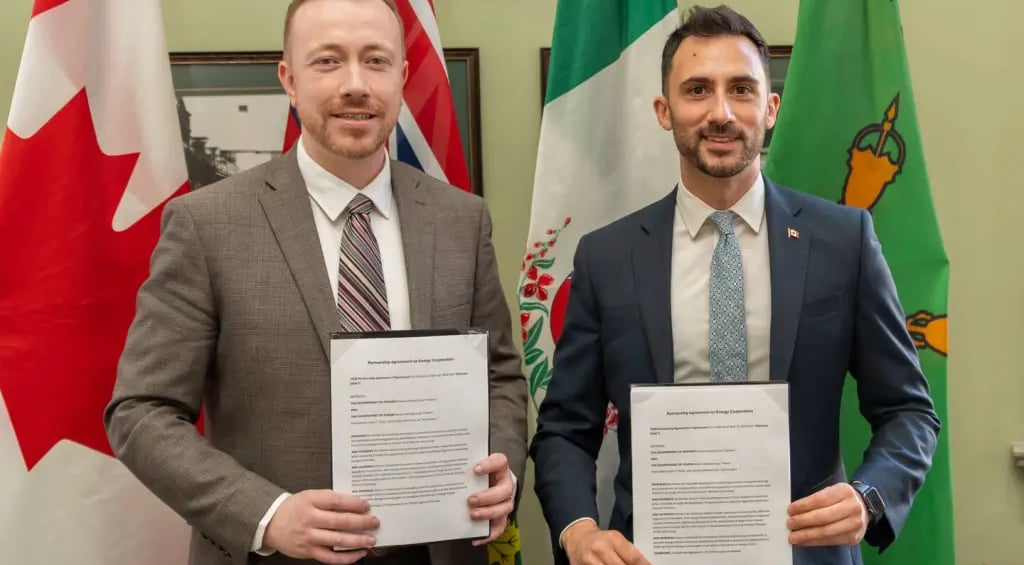
(Stephen Lecce/Facebook)
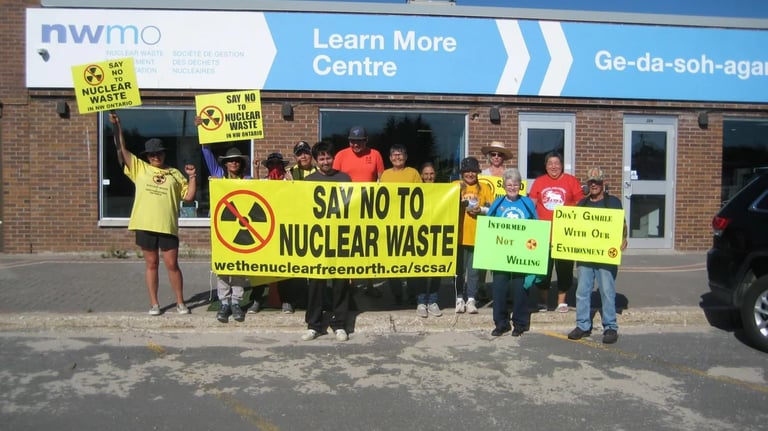
Yukon Territory will not accept nuclear waste here while Ontario looks for it's next dump site
You didn’t come this far to stop
Yukon residents push back on microreactor talk
The reason we are writing this story is at the time the announcement was made the media voiced a deferent good news story and now since rewritten a different version of no commitments deal leaving us to question what is on the table? Yukon residents are voicing strong opposition after the territorial government announced an early‑stage collaboration with Ontario to explore small modular and microreactor technology as a potential solution to the territory’s electricity shortfall.
The agreement, described by the government as a preliminary effort to “improve planning and evaluate whether nuclear technology could eventually play a role in the territory’s energy mix,” does not commit Yukon to building reactors, set timelines, or identify sites. Still, many Yukoners say the partnership raises immediate concerns, especially about potential siting in rural and remote communities and the long‑term management of nuclear waste.
“Telling us this is just ‘early‑stage’ doesn’t ease fears,” said one Whitehorse resident. “If the territory starts looking at placing reactors near communities or mine sites, people will fight to protect their land, water and health.” Residents worry about safety risks, emergency preparedness, and how waste would be stored or transported, questions they say remain unanswered.
The government’s release notes the collaboration will examine microreactors for off‑grid locations, including remote communities and mine sites, and frames the work as part of a broader effort to explore non‑fossil‑fuel options. Energy, Mines and Resources Minister Ted Laking has indicated the technology could be sited in rural areas; some residents say they would be more accepting of development in established industrial zones such as Whitehorse’s Whistle Bend industrial area, which sits near the river. Let's see if they would like it in their backyard.
Community groups are calling for transparent public consultations, independent environmental assessments, and clear plans for radioactive waste disposal before any steps are taken. “Vague promises of ‘exploration’ are not enough,” said a spokesperson for a local advocacy group. “Yukoners deserve full answers and the right to say no.”
The territorial government maintains the agreement is exploratory and non‑binding, designed to assess whether nuclear technology could be feasible for Yukon’s unique energy challenges. Still, residents say they will mobilize to oppose any concrete plans that they see as risking the environment, Indigenous rights, or community safety.
Next steps: community leaders should be planning town‑hall meetings and potential coordinated actions to demand detailed studies and binding commitments on waste management and site selection before any project advances.