YUKON POPULATION GROWING FASTER THEN THE INFRASTRUCTURE CAN BEAR
TOO MANY PEOPLE IN A SMALL AREA WILL CREATE MORE PROBLEMS AND BEAR THE COST ON LOCALS
Yukon residents push back as population surge strains services
Whitehorse Yukon residents are sounding the alarm after a sudden population surge that has pushed the territory’s total to 48,135, leaving long-time locals worried about overcrowded infrastructure and rising costs.
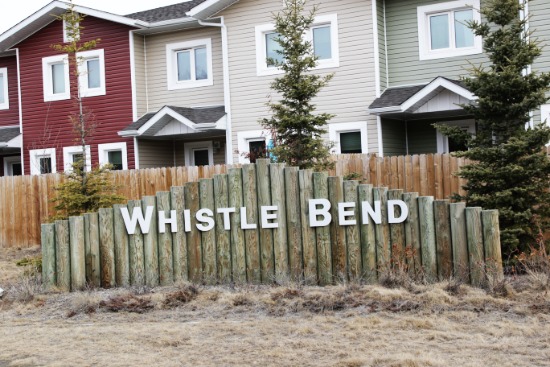
Residents in communities around Whitehorse say the biggest pressure is concentrated in areas like Whistle Bend, where new housing developments have absorbed much of the recent influx. Locals argue Whitehorse taxpayers are now being asked to shoulder costs for expanded services, while rural communities and the territorial government shoulder the financial fallout.
“It feels like we threw a party for 80 people and brought only 24 beers,” said one resident, capturing the frustration felt by many. “We’re being asked to pay for everyone’s lifestyle while our own services go thin.”
Calls are rising for the city to increase property taxes in Whitehorse to fund the added burden rather than relying on territory-wide subsidies. Advocates say targeted local fees would ensure newcomers contribute fairly to the cost of roads, water, emergency services and transit, infrastructure already stretched by the recent growth.
Parents and young workers worry the spike in population will make it harder for the next generation to find affordable housing and steady local employment. “If this keeps up, our kids won’t be able to afford to live here or find work that supports a family,” a longtime resident said.
City council and the mayor face pressure to present a clear plan: either expand services now and raise local revenues, or accept that rural Yukon communities and territorial funds will continue subsidizing urban growth. Critics say the current approach lacks transparency and risks long-term damage to community cohesion and affordability.
Residents also want stronger planning measures to prevent piecemeal growth that overloads services in specific neighbourhoods. Suggested options include phased development approvals, developer contributions for infrastructure, and stricter assessment of whether new subdivisions come with adequate public amenities.
As debate intensifies, one message keeps returning: quality of life is at stake. Voters are watching how municipal and territorial leaders respond, and many say they will demand concrete funding plans to ensure newcomers help pay for the services they use.