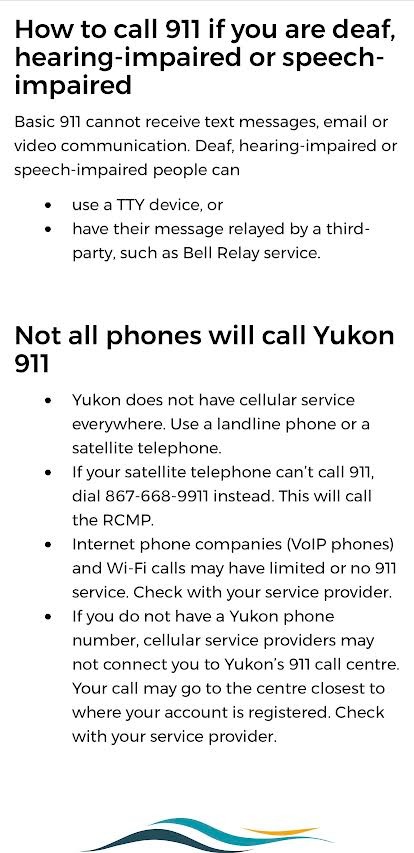
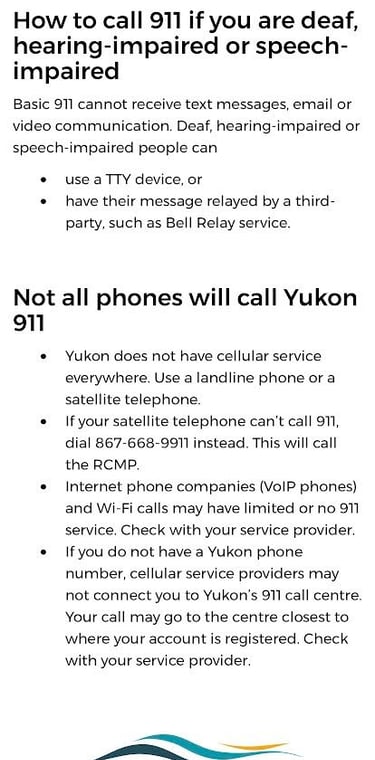
YUKON GOVERNMENT BUREAUCRAT HAVE NO IDEA ON HOW TO IMPLEMENT THE NG911 AND PUTS PEOPLE IN A LIFE AND DEATH SITUATION
YUKON GOVERNMENT WILL END UP IN COURT FOR NEGLECTING TO RECTIFY LIABILITY ISSUES WITH 911 IN THE TERRITORY
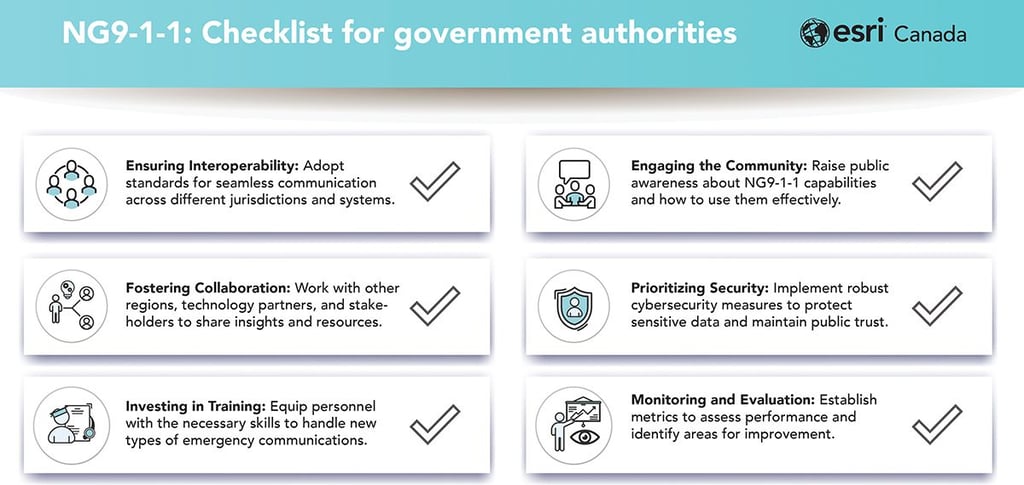
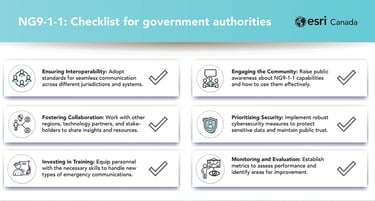
Yukon Government Ignoring a Decade of EZRA NG911 Failures, Public Safety at Risk
For more than ten years, communities across Yukon have reported recurring failures in the EZRA NG911 emergency communications system, failures so serious that residents, first responders and safety advocates warn someone may be seriously injured or killed if the problems are not fixed.
Repeated reports from callers and emergency personnel describe dropped calls, inaccurate or missing location data, delayed dispatch notifications and calls that fail to route properly to the right dispatch centre. Despite detailed warnings and requests for remediation spanning a decade, Yukon officials have not implemented effective, lasting fixes. Those with knowledge of the system say temporary workarounds have become permanent practice, while the underlying flaws remain unaddressed.
“The system keeps failing exactly when people need it most,” said a former emergency operator who asked to remain anonymous. “We can’t keep putting lives at risk because the technology or the processes aren’t reliable.”
Public-safety advocates say the government’s response , at times slow, incomplete or noncommittal, amounts to neglect. Written reports and offers of technical assistance have reportedly gone unanswered or received only minimal follow-up. Critics argue that the government’s reluctance to acknowledge liability or to publish a transparent remediation plan has left residents and frontline responders to shoulder an unnecessary risk.
Legal experts warn the stakes are high. Operating a known-deficient emergency communications system could expose the government to significant liability if preventable harm occurs. For affected families and communities, that is not an abstract legal theory but a real and present danger.
Calls for transparency and immediate action are growing louder. Local advocates and some emergency personnel are demanding:
A full, public accounting of system failures over the past decade;
An independent technical review and risk assessment;
A clear, publicly posted remediation timeline with measurable milestones and independent verification; and
Immediate temporary safeguards, such as fallback routing, manual dispatch procedures and heightened monitoring, while permanent fixes are deployed.
Despite mounting concern, official responses have been limited. Requests for a public report and a named accountability framework remain unanswered in any substantive way, and no comprehensive remediation timeline has been released.
“This isn’t just a technical problem,” said a local safety advocate. “It’s a question of whether the government will accept responsibility for protecting people when they call 911.”
With pressure building, some advocates say litigation may be the only way to force meaningful action. They argue that when repeated warnings fail to prompt adequate government intervention, judicial review or court orders may be necessary to ensure public safety is prioritized over political or administrative inertia.
For residents who depend on reliable emergency services, the message is stark: a decade of warnings has not produced the fixes needed, and lives remain at risk. Unless the Government of Yukon moves swiftly to acknowledge the problem, publish a transparent plan and implement both temporary and permanent remedies, community leaders warn further failures are inevitable , and preventable harm could follow.
If you have experienced problems with EZRA NG911 or you have no 911 way to call like in some communities that are still waiting on the Yukon government to implement or have documents or evidence related to system failures, safety advocates encourage you to come forward to local media, your elected representatives, or organizations involved in emergency services oversight.