WHEN YUKON LIFE STYLE IS GONE BLAME NO ONE BUT YOURSELF. WHEN YOU STAY QUIET DON'T BITCH
WHEN IT HITS YOUR BACK YARD IT'S TO LATE
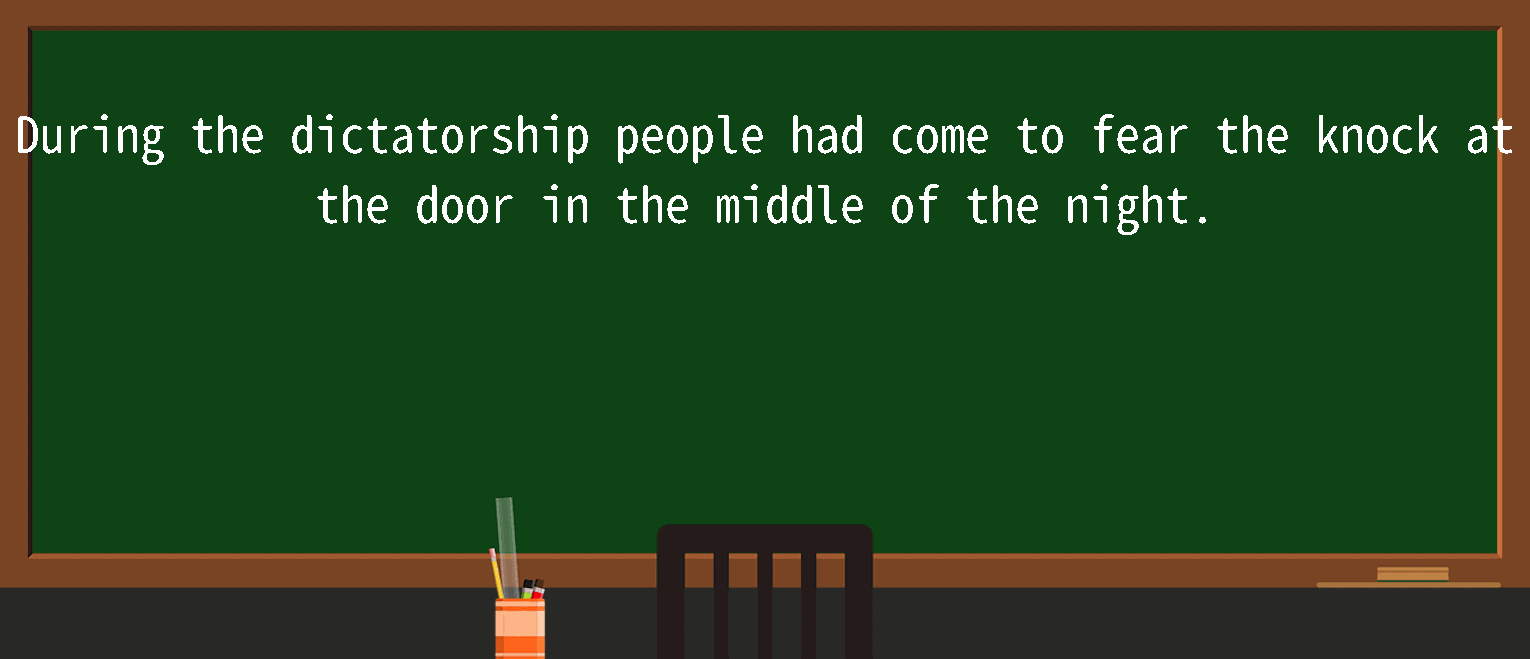
The Knock at the Door: When Dreams Meet Reality.
The neighborhood was a neat row of painted porches and quiet lawns, the kind of place postcards pretended always existed. Muffled laughter and the hum of distant televisions made evenings feel safe. In two of the houses, though, the insulation between dream and waking life had already thinned.
He lived like a man who’d been told he had nothing to fear. Everything in his life had been arranged so neatly—work, friends, bills—like a dresser drawer in which socks never escaped. “You have nothing to worry about but living,” his nights seemed to promise, and for a while the promise was enough. He floated through the days as if buoyed by some private weather system of contentment. The world bent to fit his rhythm; nothing crashed the surface.
But safety is porous. The tiny fissures began as brief anxieties that he would dismiss with a laugh. The growl of a siren passed and he kept walking. A late-night shadow at the window could be the neighbor taking out the trash. He’d read about people who dodged consequences, who lived in small apartments and large lies, and told himself he was not one of them. He was honest. He’d never given anyone reason to come looking. His sleep would swallow the worry.
Reality, however, has persistence. It is less theatrical than a thunderclap and more like a steady knocking that won’t stop. When the knock finally came it wasn’t polite. It was precise, the kind that knows exactly how to count the seconds between heartbeats. He stood frozen at his own door as the sound, three beats, one pause, arrived like a verdict.
For a moment he thought of the RCMP with a warrant: an image of officialdom and inevitability, of formal papers and cold questions. The comparison made his stomach drop; they had authority, procedure, the unblinking confidence of the law. But the thing at his door didn’t carry a badge. It didn’t wear a uniform. It had the intimacy of consequences wearing human footsteps. This knock belonged to debts unpaid, to secrets folded and stored in the back of drawers, the things that accumulate interest in silence.
Outside, neighbors paused mid-sip of coffee and mid-televised crime show. The street returned to its careful breathing, but sound traveled differently now, closer, sharper. Inside, he remembered small lies that had shuffled off accountability like moths from a lamp. He thought of postponed apologies, of contracts signed without fully reading, of the offhand promises kept only half-true. Each one was a grain in an invisible hourglass that had finally tipped.
He opened the door. The person there was neither officer nor phantom but someone whose face held the tired lines of persistent consequence, an emissary of all the things he had not wanted to look at. They spoke plainly, without theatrics. The words were a ledger closing out. Nothing dramatic, but the ordinary clarity of truth given its due.
The scene that followed was not a movie chase. There were no dramatic escapes or last-minute revelations. Instead, there was the slow, grinding work of accounting: inventories of mistakes, lists of restitution to be made, a rearrangement of priorities. Neighbors watched, some with sympathy and some with the detached curiosity reserved for other people’s collapses. The man who had once floated now felt his feet on the asphalt of consequence.
What became clear, in the days after the knock, was that reality wasn’t merely punitive. It demanded responsibility, yes, but it also offered the raw material from which to rebuild. Confrontation with the things you’ve ignored can be corrosive, but it can also be clarifying. He learned what it meant to answer for oneself—not to escape, but to act. He learned to stop romanticizing safety and start accepting the trade-offs of living honestly.
The warrant, whether real or imagined, was only the beginning. The real work was quieter: calling people he had slighted, opening unopened letters, reworking a budget until the numbers stopped feeling like foreign objects. Some neighbors reached out; others retreated. The neighborhood’s postcard image cracked, but what formed in the fissure felt more honest than the gloss that had covered it.
In the end, the knock was not an end but a hinge. It swung him out of complacency and into motion. Not every story ends well, and this one kept its edges rough, repairs were piecemeal, trust didn’t return overnight,but it became a story about wakefulness. About the difference between living a life that merely appears secure and living one that can withstand the inevitable knocks.
Dreams will always try to buoy us, whispering that peace is only a decision away. Reality will always be at the door, patient and punctual. The measure of a life, perhaps, is not whether the knock arrives but how we answer it.
By Norm Boisvert my interpretation of today and opinion while I still have one.