PFAS (per- and polyfluoroalkyl substances) contaminate an area when these chemicals are present in the environment at levels high enough to be considered a pollution concern—typically in soil and/or water (including groundwater, surface water, stormwater, or drinking-water sources). Practically, “PFAS contamination” usually means: PFAS are detected (measured) in environmental media (soil, groundwater, etc.) where they weren’t expected, and they are linked to a source (common ones include industrial sites,
the question were asking is why does the Whitehorse city refuse to let the public access under the freedom of information act which is allowed across Canada. Are they hiding something?
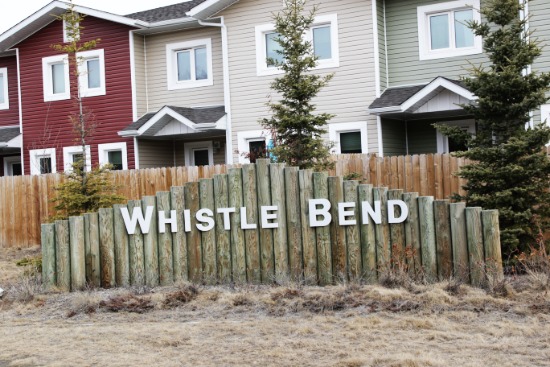
Residents of Whitehorse who are asking for public records tied to PFAS concerns aren’t asking for secrets—they’re asking for the same kind of basic transparency that freedom-of-information laws are designed to provide: accountability, oversight, and access to information that affects public safety.
Yukon’s Access to Information and Protection of Privacy Act (ATIPPA) is built around a clear premise: the public has a right of access to records held by public bodies, subject only to limited and specific exceptions. The law exists to make public bodies more accountable to the public while protecting personal privacy, and it gives the Information and Privacy Commissioner oversight power to review refusals and investigate complaints.
That matters because if a city (or other public body) is effectively “blocking access” rather than applying specific exemptions to specific records, the refusal may be inconsistent with ATIPPA’s structure and purpose.
Unfortunately when the municipal Act was amended they left out Whitehorse city out of the mandatory access to freedom to information act. The million dollars question is why?
The legal argument: public safety information should be disclosed unless a specific exemption properly applies
An ATIPPA-style right of access is not a discretionary privilege. It is a statutory right—so when access is denied, the key legal question is not whether the public body believes exemptions might apply, but whether the refusal is grounded in the Act as it applies to the actual record (or portion) being withheld. ATIPPA’s purpose statement and the Commissioner’s role underscore that refusals must be reviewable, not opaque.
A strong legal case for disclosure therefore focuses on process and justification:
Access is the default; exemptions are exceptions.
Because ATIPPA gives the public a right of access to records “subject only to limited and specific exceptions,” a broad denial approach is difficult to square with the statute’s baseline presumption of disclosure. yukonaccountability.caThe public body must be able to substantiate refusal decisions.
The Information and Privacy Commissioner has criticized refusals where a public body simply asserts that exceptions apply without adequate evidence or submissions. In one inquiry involving a denial of thousands of pages, the Commissioner found the department did not have authority to refuse access to most records and specifically noted the harm caused by insufficient submissions—leaving the decision-maker to guess about exemptions from the records alone. yukonaccountability.caIn an article, that becomes a clean legal point: “If the city cannot explain—record by record—why each exemption applies, the refusal is vulnerable.”
Severing/redaction is part of the legal framework.
Even where some information should not be disclosed (for example, to protect personal privacy), the law’s design generally requires releasing what can be severed from what cannot. That principle supports the argument that a refusal should not become an all-or-nothing tactic when only parts of documents may be sensitive. (Where personal or health information is involved, the public interest in risk-relevant disclosure is especially strong.) Government of Canada
Why PFAS concerns strengthen the public interest in disclosure
When the subject is PFAS and potential exposure from land development, the argument for access is more than “transparency for transparency’s sake.” It is about the legal and democratic function of access-to-information regimes: residents should be able to understand what was tested, what the results were, what risk exists, and what safeguards are being used—so that public health decisions are not made in the dark.
ATIPPA’s purpose—to increase accountability while protecting privacy—aligns directly with residents’ requests for safety-relevant records. If a city is denying access to records that bear on environmental health and safety while residents are concerned about contamination, the refusal risks frustrating the statute’s core accountability mechanism. yukonaccountability.ca
So in the public interest the city of Whitehorse should reconsider its position on denying taxpayers having access to questions that would ultimately keeping the city out of litigation on safety concerns especially when they enforce the most unorganized building codes. So if something is discovered later down the road can a litigant use the fact that the municipality is in there defense hiding factual evident that could have possibly saved lives.