Government Failure, Not Just Growth, Caused Yukon’s Electricity Crisis
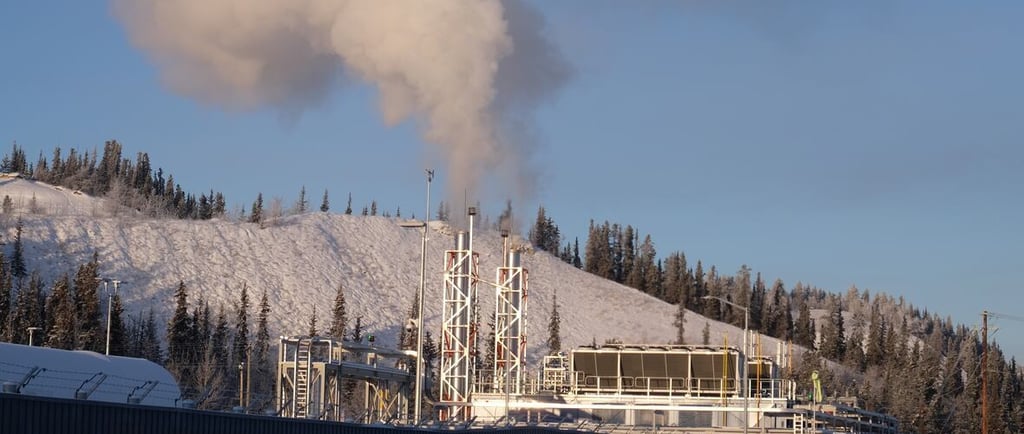
The Yukon is facing electricity shortages driven by rapid population growth and rising winter demand, with peak demand hitting a record 123 megawatts in December 2025 and forecasts of an additional 40 megawatts needed over the next five years, largely due to new homes using electric heating. To address this, the government is advancing the Winter Reliable Energy Plan, including new thermal power centres and grid upgrades to stabilize supply and integrate more renewables safely. Government of Yukon yukonenergy.ca
Government Failure, Not Just Growth, Caused Yukon’s Electricity Crisis
The Yukon’s electricity crisis is not some surprise act of nature. It is the direct result of years of weak planning, slow action, and a government that let the power system fall behind reality. Yes, Whitehorse has grown fast. Yes, more people moving into the territory has added pressure. But that growth did not happen in secret. It was visible, predictable, and entirely foreseeable. What was not done was the basic job of government: prepare for it.
Instead of expanding generation, reinforcing transmission, and building backup capacity before the system reached the breaking point, officials allowed the territory to drift toward shortage. Now the public is being told to accept a winter with little room before outages become unavoidable, as if this were just bad luck rather than the result of years of delay. It is not bad luck. It is failure.
The burden should not be shifted onto residents, especially new ones, as though people moving to Whitehorse somehow caused the government’s inability to plan. Population growth has increased demand, but government inaction turned that pressure into a crisis. The system was not built for the territory it actually became.
This is what happens when leaders treat infrastructure as a problem for later, until later arrives and the lights start to flicker. Yukon residents are now paying the price for a power system that was not expanded in step with growth, not fortified in step with risk, and not managed with anything close to enough urgency.
If the territory is now facing scarce options and looming outages, that is not because growth was impossible to predict. It is because the government failed to act when it still had time.